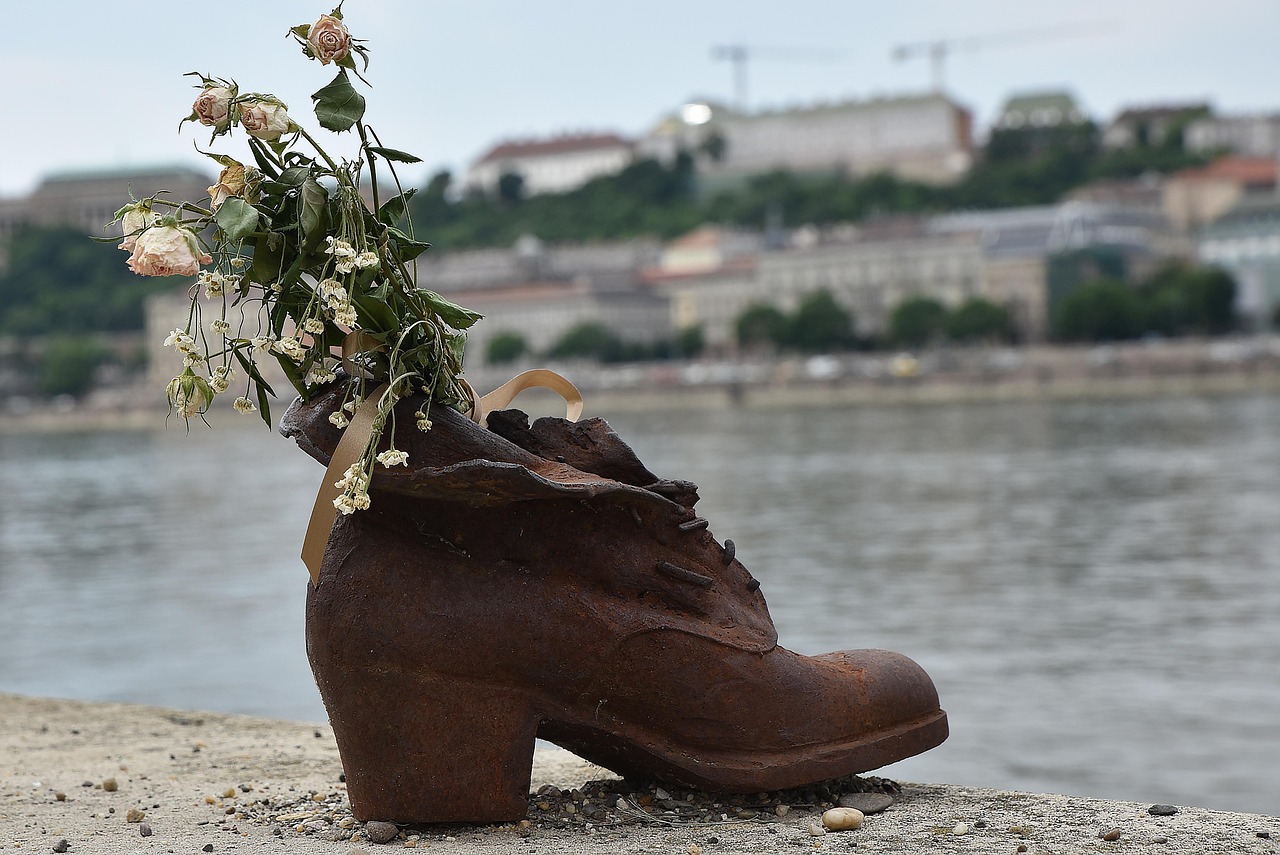
Shoes on the Danube Memorial
Shoes on the Danube Memorial
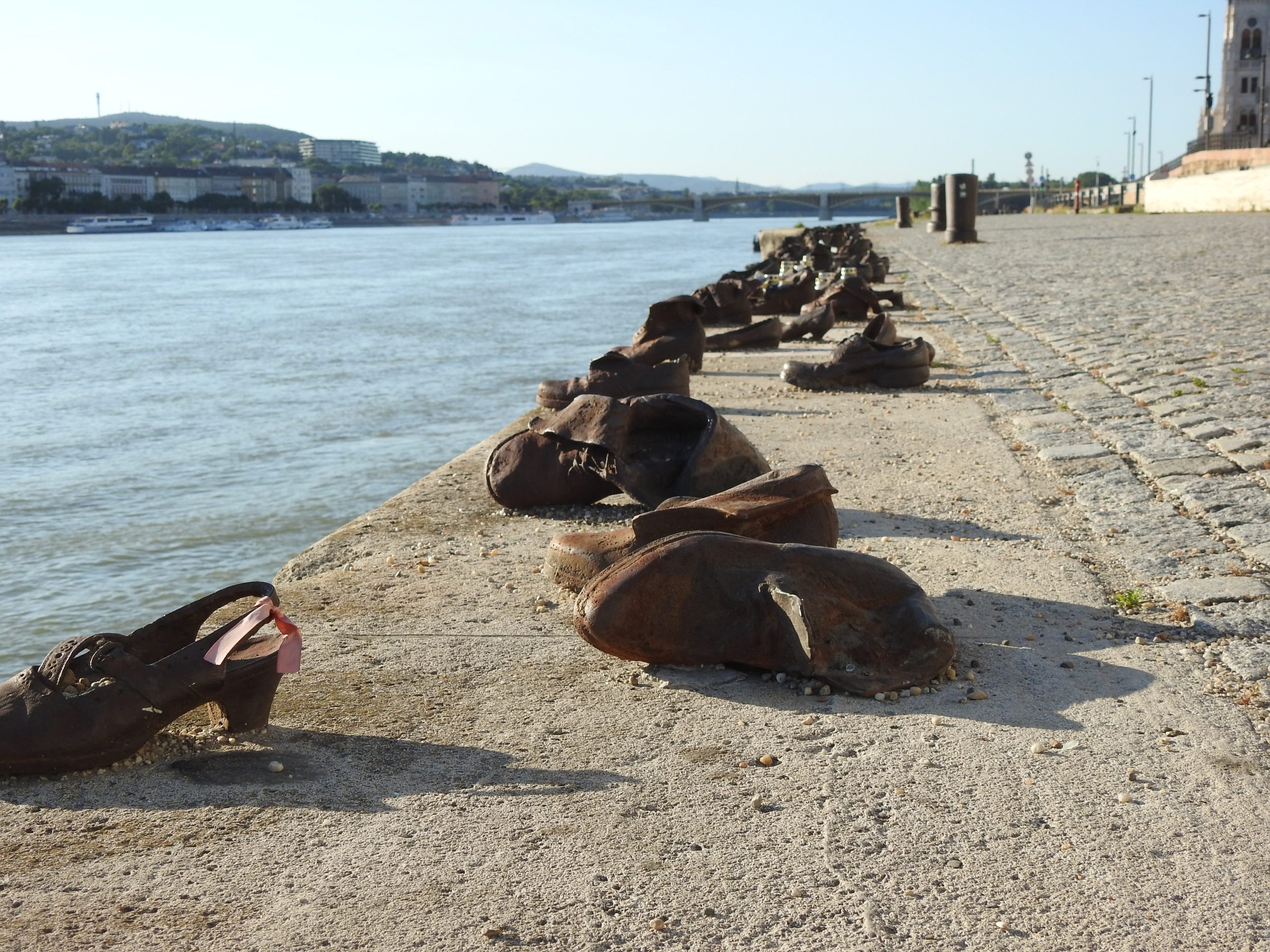
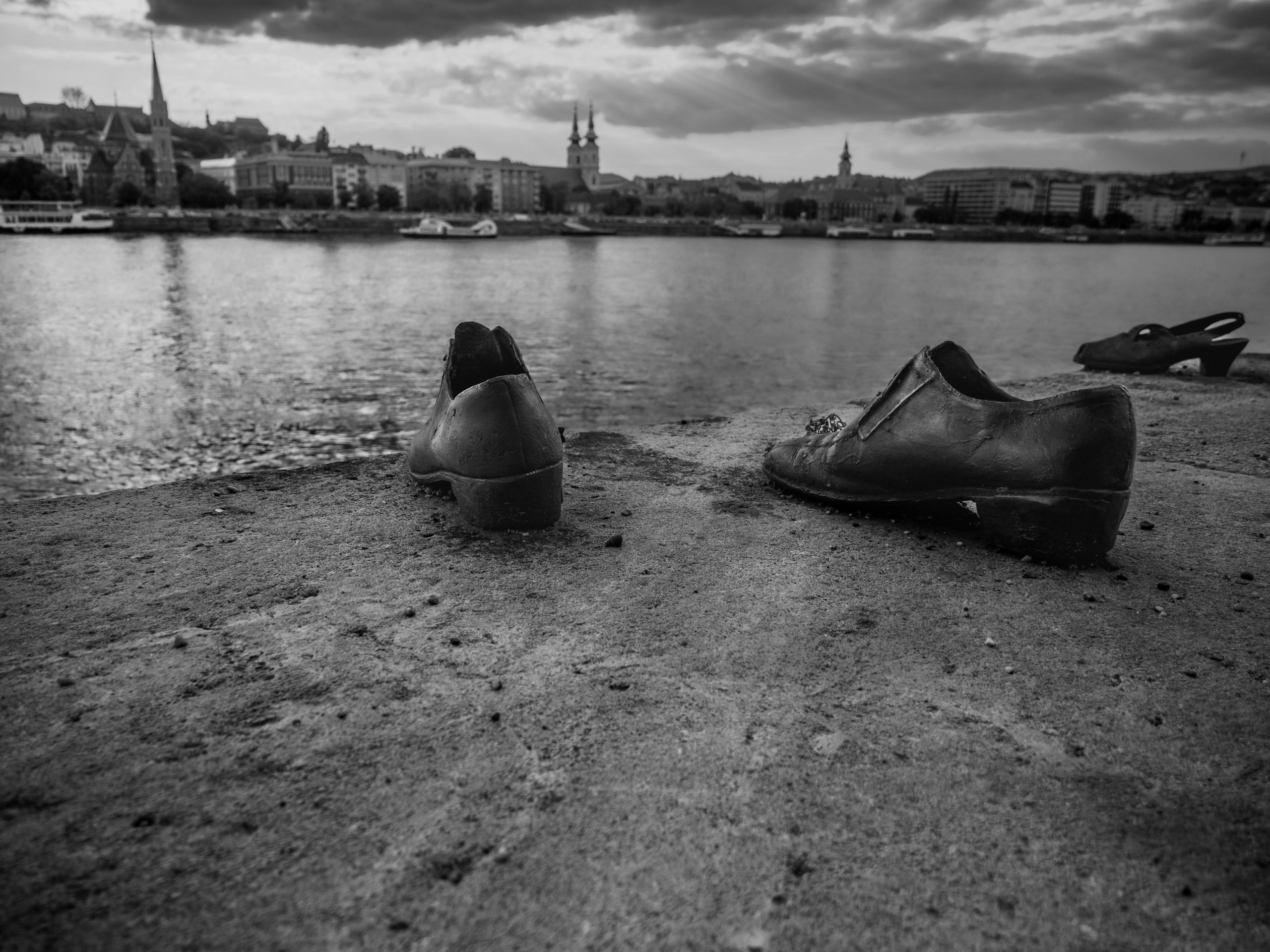
Just a few steps away from the Hungarian Parliament Building, along the Danube promenade, lies one of the most moving memorials in Budapest — the Shoes on the Danube Memorial. This simple yet powerful installation honors the memory of the Jewish men, women, and children who were executed on this very riverbank during one of the darkest chapters of Hungary’s history.
–
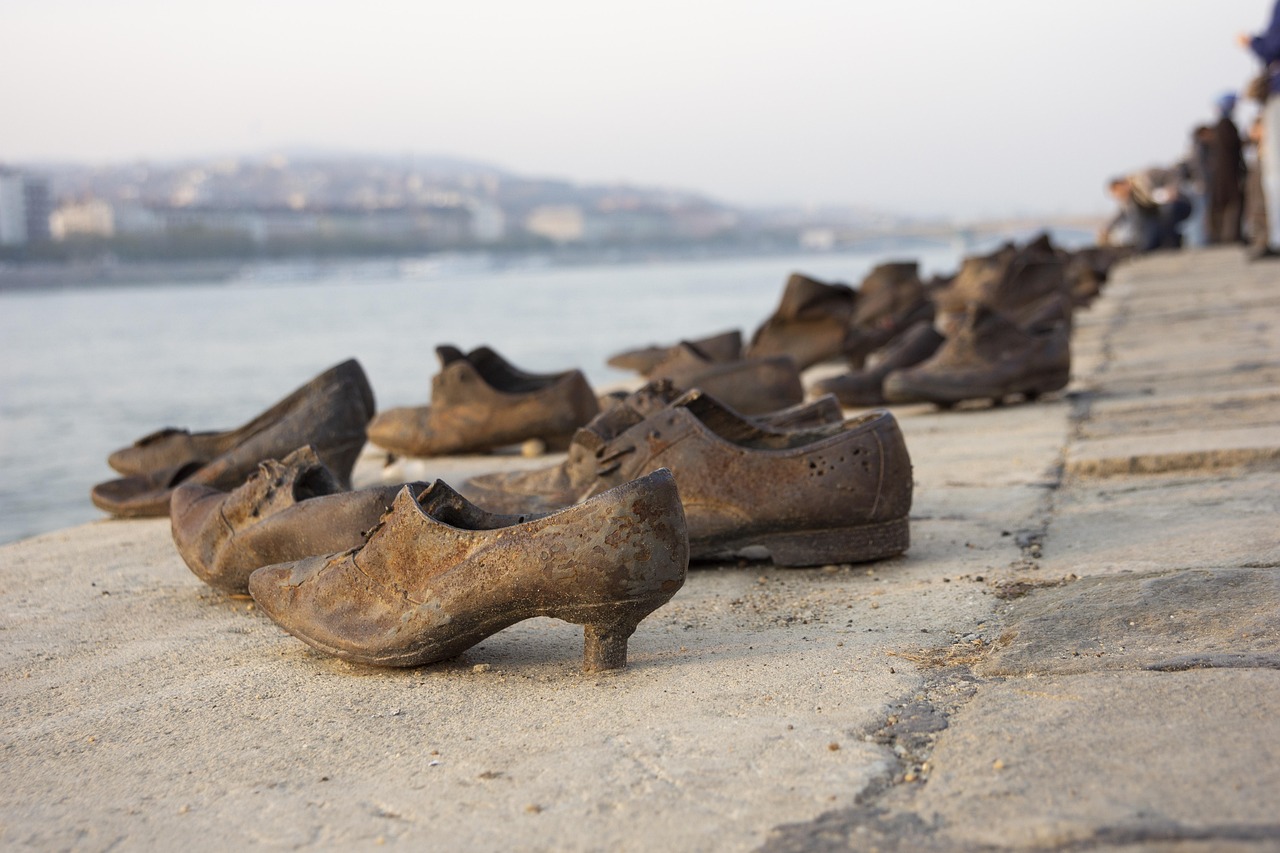
The Shoes on the Danube was created by film director Can Togay and sculptor Gyula Pauer. It consists of 60 pairs of iron shoes—men’s, women’s, and children’s styles—scattered along the edge of the river. Each pair represents a life tragically lost, a person who once stood on that spot before being shot into the freezing river by the Arrow Cross Party militiamen in the winter of 1944–1945. Before their execution, victims were forced to remove their shoes, which were valuable commodities during wartime. The shoes left behind symbolize both the brutality of the act and the humanity of those who suffered.
–
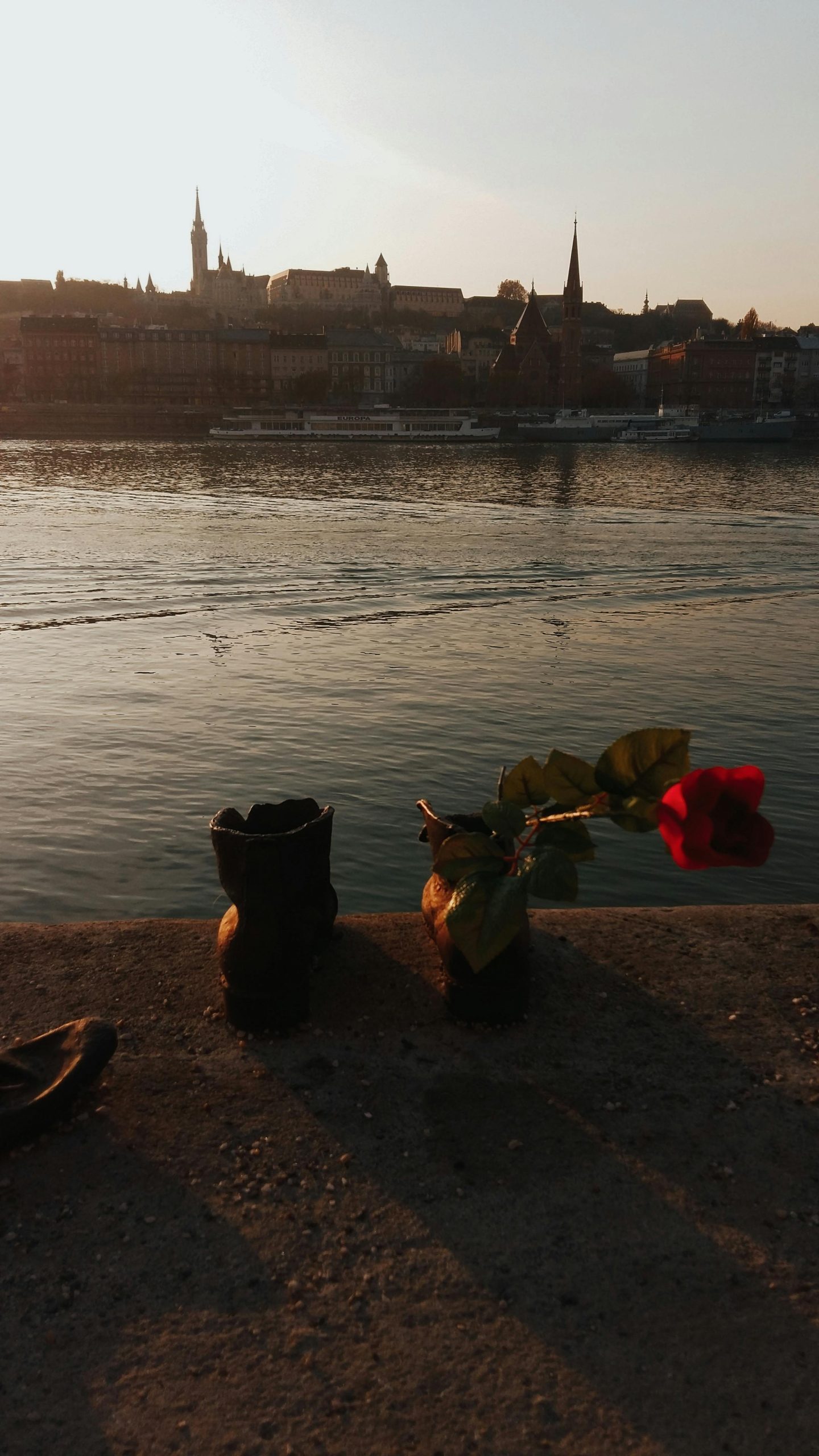
Walking among these bronze shoes, visitors often feel a deep emotional connection. Some people leave candles, flowers, or pebbles beside the memorial, a quiet gesture of remembrance. The sight of the children’s shoes in particular is especially heartbreaking — a haunting reminder of innocent lives lost.
–
The memorial was inaugurated in 2005, marking the 60th anniversary of the Holocaust in Hungary. It stands not only as a tribute to the victims but also as a universal call for peace, compassion, and the importance of remembering history so that such atrocities are never repeated.
–
Today, the Shoes on the Danube Memorial is one of the most visited and respected historical sites in Budapest. It is easily accessible on foot and located between Kossuth Lajos Square (where the Parliament stands) and the Chain Bridge.
–
Our Budapest tour to Parliament and Chain Bridge includes a stop at this memorial, where our guides share an authentic and personal summary of the Budapest Holocaust in just a few minutes. You’ll have time to pause, reflect, and look across the river — a moment that stays with many visitors long after they leave.